Casey Berger · 4 September 2026
Integrating External APIs with Crawling Solutions for Enhanced Reporting Capabilities
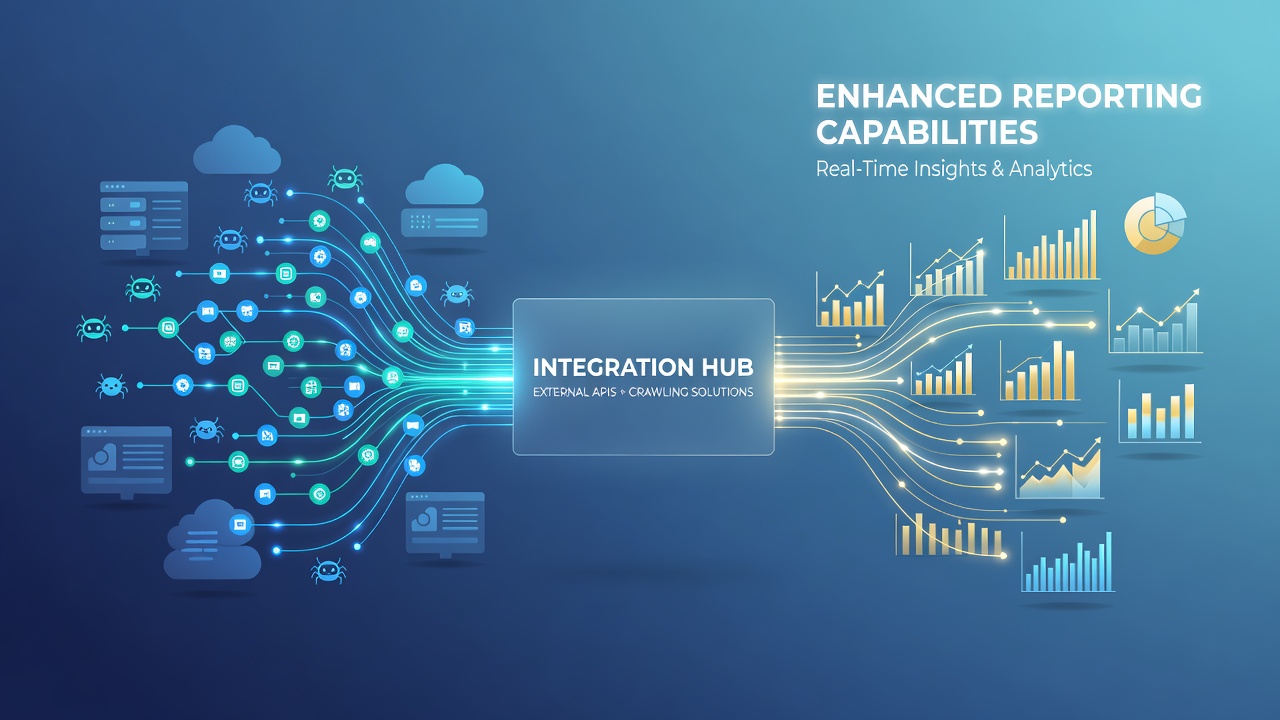
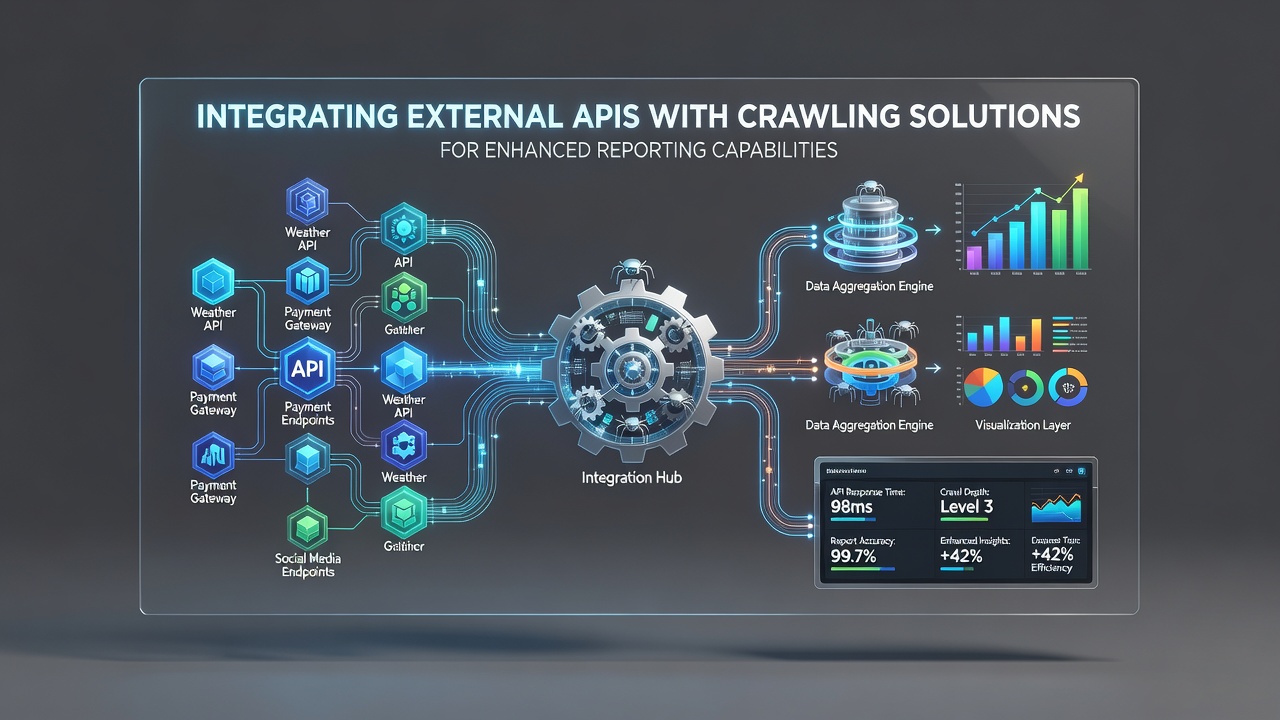
Organizations combine web crawling solutions with external APIs to build reporting systems that pull both dynamic page content and structured data feeds into single dashboards, and this approach delivers datasets that neither method produces alone because crawlers handle unstructured HTML while APIs supply verified metrics such as user counts or transaction volumes. Data pipelines merge the two streams through middleware that normalizes timestamps and formats before storage in central warehouses.
Core Components of the Integration Process
Crawling solutions start by sending HTTP requests to target domains, parse returned HTML with libraries like BeautifulSoup or Cheerio, then extract elements based on selectors or XPath rules, yet external APIs require authentication tokens, respect rate limits, and return JSON or XML payloads that map directly to database schemas. Middleware layers schedule crawl jobs alongside API calls, apply deduplication logic, and push results into reporting engines where analysts query combined tables for metrics such as keyword rankings correlated with social engagement figures.
Research indicates that teams running parallel collection see reduced latency when they cache API responses for short intervals and trigger crawls only on detected content changes, and this hybrid schedule cuts overall server load while maintaining freshness for time-sensitive reports. Observers note that companies handling large-scale data often deploy message queues to decouple collection from processing, allowing each component to scale independently during peak reporting cycles.
Data Quality and Normalization Practices
APIs typically enforce consistent schemas and include error codes that flag missing fields, whereas crawled data demands additional cleaning steps to handle broken markup, JavaScript-rendered elements, and regional formatting differences. Integration frameworks apply transformation rules that convert both sources into standardized records, and validation scripts compare overlapping values such as product prices or review counts to surface discrepancies before they reach final reports.
Studies from academic institutions show that automated reconciliation routines improve accuracy rates when they flag conflicts for human review rather than overwriting one source with another, and this practice proves especially useful for compliance documentation where audit trails must record the origin of every data point. Those who maintain such systems report that logging API response headers alongside crawl timestamps simplifies troubleshooting when datasets diverge.
Security and Compliance Requirements
External APIs often use OAuth or API keys that rotate on schedules, while crawlers must respect robots.txt directives and session management to avoid blocks, and the combined workflow requires centralized credential stores plus monitoring for unauthorized access attempts. Regulations in multiple regions, including updates scheduled for September 2026 under revised data governance frameworks from the European Commission, will require clearer documentation of data provenance when personal or location-based information enters reports.
According to guidance published by the Government of Canada, organizations must log collection methods and retention periods for any aggregated datasets used in public reporting, and similar expectations appear in Australian government digital standards that emphasize transparency around automated data gathering. Teams therefore embed consent flags and anonymization steps at the ingestion layer so downstream reports meet these standards without manual reprocessing.
Implementation Patterns Observed in Practice
One common pattern routes all collection through a central orchestration service that triggers API pulls first, then supplements gaps with targeted crawls, and this sequence reduces unnecessary page requests while ensuring completeness for metrics that APIs do not cover. Another pattern uses event-driven triggers where changes detected in crawled content prompt immediate API lookups for related records, creating near-real-time updates in dashboards used by operations teams.
Industry reports compiled by research groups at universities in the Asia-Pacific region highlight that organizations adopting these patterns achieve faster report generation cycles because parallel execution overlaps network calls and parsing tasks, and the resulting time savings allow analysts to run additional validation queries before deadlines. Configuration files define source priorities so that API data overrides crawl results when both exist for the same entity, yet crawl data fills voids when APIs lack coverage for specific domains or regions.
Conclusion
Integration of external APIs with crawling solutions produces reporting capabilities that draw on the strengths of structured and unstructured data sources, and organizations that implement careful scheduling, normalization, and compliance logging maintain reliable outputs as regulatory expectations evolve. Continued refinement of middleware tools and monitoring practices supports the ongoing need for accurate, auditable datasets across sectors that rely on web-derived intelligence.