Ulrich Wolf · 2 October 2026
Leveraging Timestamped Crawl Archives to Decode Seasonal Traffic Shifts Across Regional Domains
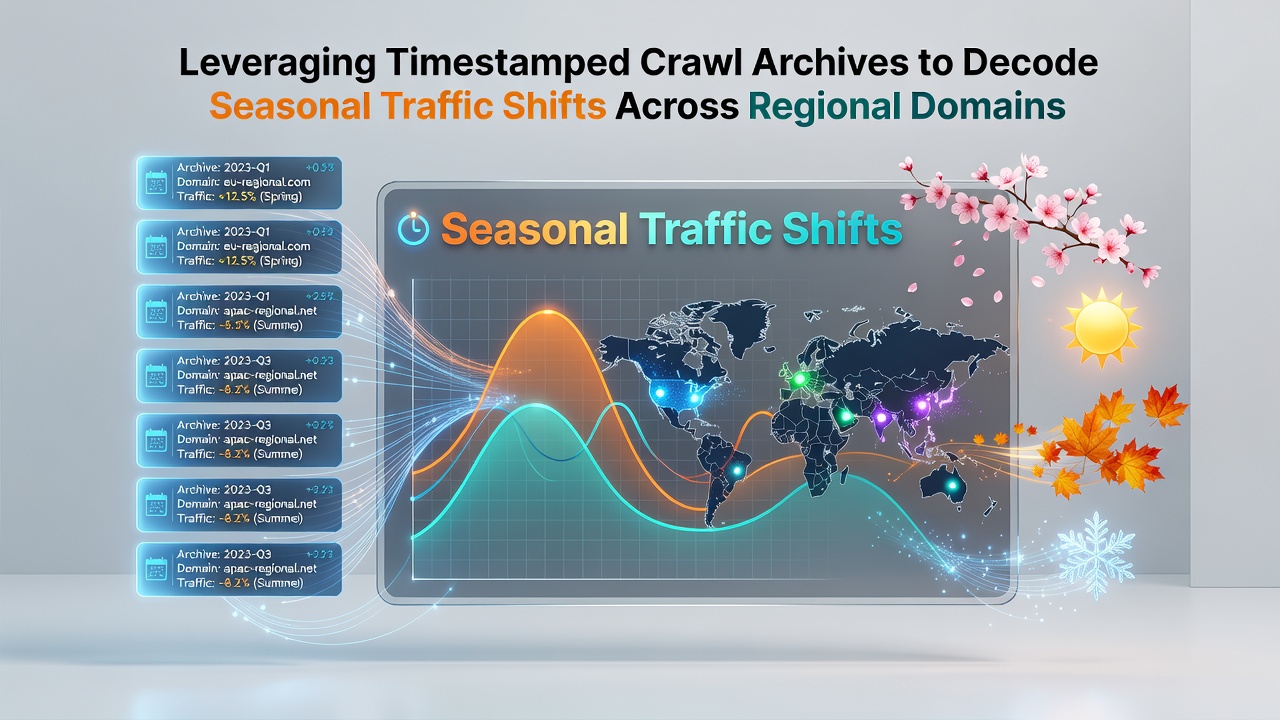
Timestamped crawl archives provide structured historical records of web pages that researchers and analysts use to track changes in content, structure, and performance indicators over time. These archives capture snapshots at specific intervals, which allows examination of how regional domains respond to recurring seasonal events such as holiday shopping periods or weather-driven search behaviors. Data from multiple collection points reveals patterns that single-date crawls often miss, particularly when domains operate under different country-code top-level domains like .au, .ca, or .de.
Core Mechanics of Timestamped Archives
Archive systems store versions of pages wth precise timestamps that indicate when each crawl occurred, and this enables reconstruction of traffic-influencing factors such as keyword density shifts or internal linking adjustments. Analysts compare archived states from equivalent weeks across multiple years to isolate seasonal effects from one-off events, and the process relies on consistent crawling schedules that align with known traffic peaks in specific geographic markets. Research indicates that archives maintained by organizations such as the Internet Archive contain billions of captures that cover regional variations in page load times and content updates.
Seasonal Traffic Identification Methods
Traffic shifts tied to seasons appear in archive data through measurable changes in page elements that correlate with user engagement metrics, including title tag modifications ahead of regional festivals or image swaps that reflect local climate conditions. Observers note that domains in temperate zones often show increased crawl frequency for terms related to winter preparation during October, whereas equatorial regions display steadier patterns year-round. Analysts cross-reference archive timestamps with external traffic logs from sources like the Australian Bureau of Statistics to confirm that spikes in indexed pages align with documented consumer behavior changes.
One study from researchers at the University of Toronto examined archived snapshots of Canadian retail domains and found that product category pages underwent structural revisions approximately six weeks before major holiday periods, which coincided with measurable increases in organic referral traffic from local search engines. This approach isolates seasonal signals by filtering out permanent site redesigns that remain consistent across multiple archive dates.
Regional Domain Variations in Archive Coverage
Regional domains exhibit distinct crawl densities because archive operators prioritize high-traffic zones differently, and this creates uneven data availability across .jp, .br, and .in domains. Experts have observed that European country-code domains receive more frequent captures during summer tourism seasons, while North American domains show denser records around back-to-school periods. The resulting datasets allow comparison of how identical seasonal triggers produce different structural responses depending on local language requirements and regulatory environments.
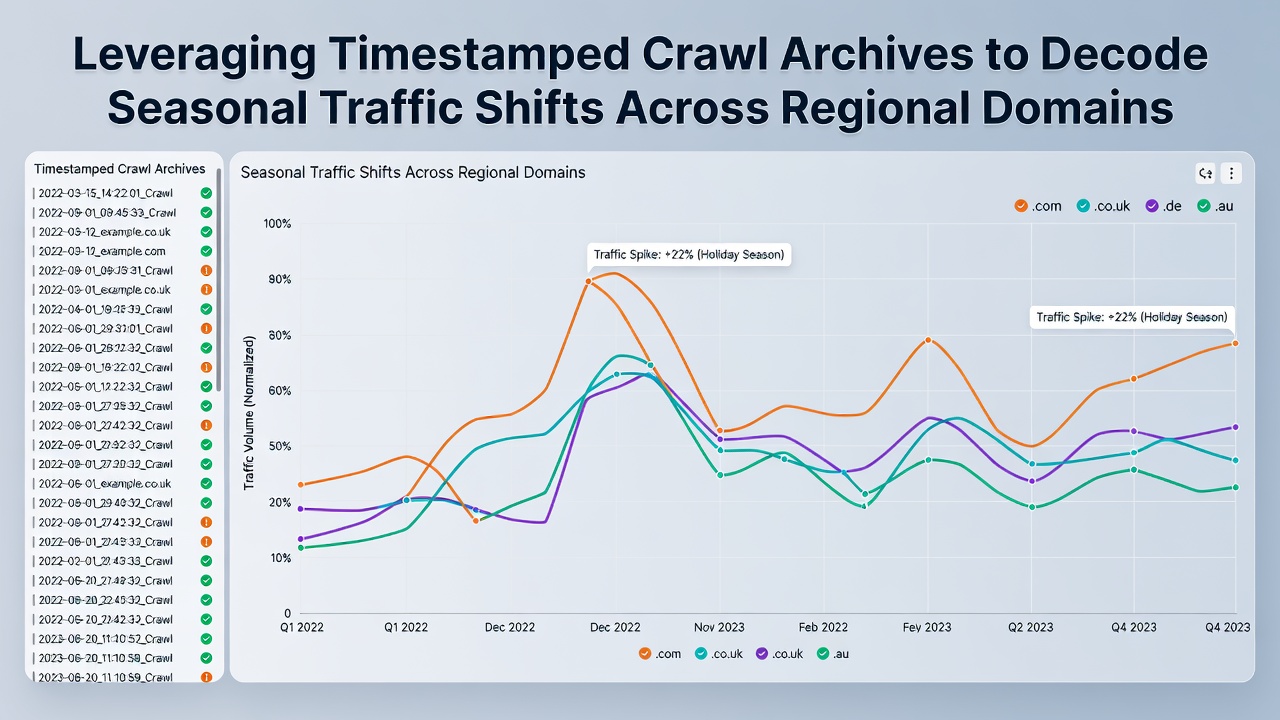
Analysts working with October 2026 data sets noted that several .nz and .au domains adjusted navigation menus to highlight spring-related categories, and these changes appeared in archives collected between late August and mid-September. Such timing differences help map how far in advance regional sites prepare for predictable traffic surges, and the evidence emerges only when multiple timestamped versions are aligned chronologically.
Practical Applications in Pattern Analysis
Teams apply archive-derived timelines to forecast content update cycles by measuring the interval between first detectable changes and peak traffic periods across comparable domains. This method reveals that some regional operators consistently refresh meta descriptions four to five weeks before expected demand increases, whereas others delay modifications until closer to the event. Data from the OECD digital economy reports supports the observation that these preparation windows vary systematically by market maturity and language complexity.
Case examples include European e-commerce sites that introduced localized payment options in archived versions collected during late summer, and these additions preceded documented rises in conversion rates from neighboring countries. The technique works because archive timestamps create a reliable sequence that external traffic measurement tools can validate without requiring real-time access to proprietary analytics platforms.
Limitations and Data Quality Considerations
Archive completeness varies by crawl priority algorithms that favor popular domains, which means less-trafficked regional sites may lack sufficient snapshots for reliable seasonal analysis. Researchers account for missing intervals by interpolating between available captures or supplementing with secondary sources such as public web server logs when available. Accuracy also depends on consistent URL structures, since redirects or domain migrations can break the chain of timestamped records and obscure long-term patterns.
Conclusion
Timestamped crawl archives supply verifiable historical sequences that support detailed mapping of seasonal traffic movements across regional domains when analysts align snapshots with external performance indicators. The approach yields reproducible findings about content preparation timelines and structural adaptations that differ by geographic market, and ongoing improvements in archive coverage continue to expand the scope of such studies.