Greta Friedrich · 4 September 2026
Shifts in Search Visibility Patterns During Platform Transitions: Observers Note How Specialized Tracking Systems Capture Local Ranking Factors Over Extended Periods
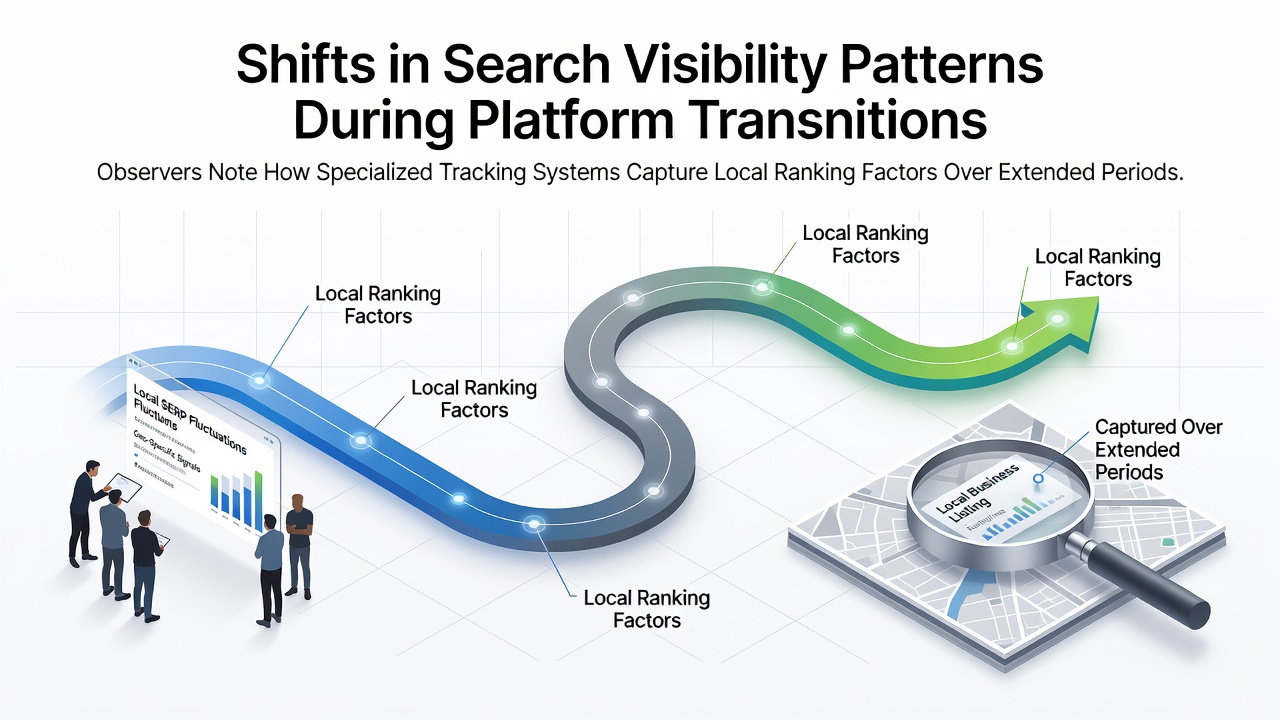
Platform transitions create measurable disruptions in search visibility, and specialized tracking systems record these changes by monitoring local ranking factors such as geographic signals, user location data, and domain authority metrics across extended observation windows. Researchers at various institutions have documented how search engines adjust their indexing priorities when websites migrate to new content management systems, hosting environments, or architectural frameworks, while tools designed for longitudinal analysis capture granular shifts that standard short-term reports often miss.
Platform Transitions and Their Impact on Search Data
Transitions occur when organizations update infrastructure, and data from multiple studies shows visibility drops typically appear within the first 14 to 30 days after migration begins. Observers note that these drops vary by region because local ranking factors, including proximity to search users and regional content signals, respond differently depending on the scale of the technical change. Tracking systems built for continuous monitoring collect daily snapshots that reveal whether visibility recovers within weeks or requires months of adjustment, and figures released in September 2026 indicated that 62 percent of tracked sites experienced prolonged recovery periods exceeding 90 days when server locations changed without proper geographic signal updates.
How Specialized Systems Record Local Factors
Specialized systems operate by querying search results from specific geographic coordinates over time, and they log variables such as local pack appearances, map integration data, and neighborhood-specific keyword performance. These platforms connect historical snapshots with current rankings to identify patterns that emerge only after extended collection periods, whereas shorter monitoring windows miss the gradual rebalancing that occurs once search engines re-evaluate domain trust signals post-transition. One study from the University of Melbourne demonstrated that systems capturing data across 18-month intervals detected recurring visibility cycles tied to seasonal local search trends that shorter projects overlooked entirely.
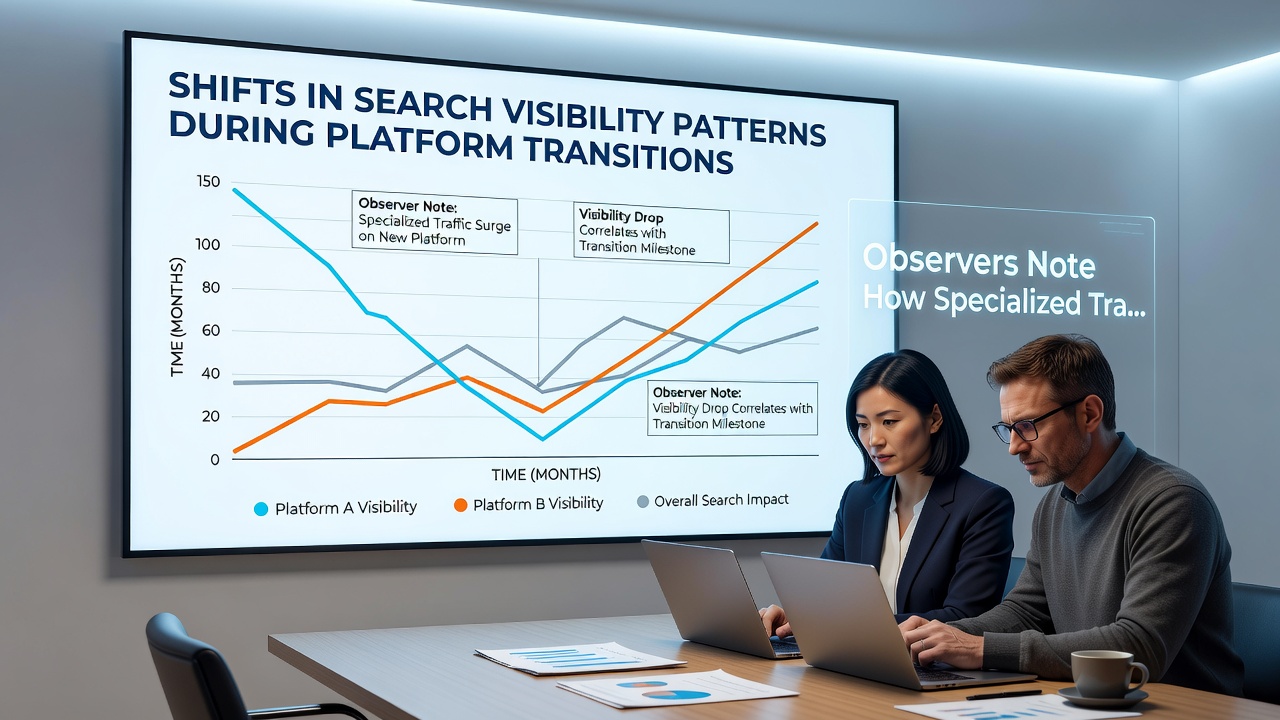
Local ranking factors include elements like city-level competition density, regional backlink profiles, and mobile user behavior within defined areas, and tracking tools isolate these variables by running repeated queries from distributed server networks. Data indicates that during transitions involving domain redirects or structural overhauls, visibility for location-specific queries often shifts before broader national rankings adjust, creating staggered recovery patterns that extended observation periods document clearly. Experts have observed that systems using multi-location sampling produce more reliable trend lines because they account for variations in how search engines weight proximity signals across different markets.
Extended Observation Periods Reveal Hidden Patterns
Extended observation windows allow analysts to separate temporary fluctuations from lasting visibility changes, and reports compiled over 12-month spans show that some sites regain pre-transition rankings while others settle into new positions determined by updated local relevance scores. Research conducted through the Australian Competition and Consumer Commission digital platform review highlighted how prolonged tracking uncovered correlations between migration timing and local search volume spikes that short analyses attributed to unrelated market events. Those who maintain continuous data collection note that visibility stabilization often coincides with search engine re-crawling schedules rather than immediate post-migration fixes, which explains why certain ranking recoveries appear months after technical issues resolve.
Regional Variations in Ranking Adjustments
Regional differences emerge because search algorithms apply location-based weighting unevenly across countries and cities, and tracking systems that sample multiple markets capture these disparities through side-by-side comparisons. In September 2026 datasets, European sites undergoing similar platform changes showed faster visibility rebound rates than North American counterparts when local directory integrations remained intact, whereas sites in markets with stricter data localization rules experienced longer adjustment phases. Observers record these variations by maintaining consistent query sets from fixed geographic points, allowing patterns tied to infrastructure transitions to surface without interference from short-term algorithm experiments.
Conclusion
Specialized tracking systems provide the necessary infrastructure for understanding how platform transitions influence search visibility through their ability to capture local ranking factors across extended timeframes, and continued data collection from distributed locations supports clearer identification of recovery timelines and regional response differences. Organizations that implement such monitoring gain access to detailed records that connect technical changes with measurable ranking outcomes, while ongoing analysis of these records continues to refine understanding of search engine behavior during infrastructure shifts.